How to Store and Organize Your Sports Memorabilia
Sports memorabilia holds a special place in the hearts of many sports fans. These prized possessions can range from autographed jerseys and game-used equipment to ticket stubs and trading cards. However, without proper storage and organization, these cherished items can easily become damaged or lost. If you want to preserve your sports memorabilia collection for years to come, here are some tips on how to store and organize them effectively.
1. Choose the Right Storage Containers
The first step in storing your sports memorabilia is to invest in the right storage containers. Avoid using plastic bags or cardboard boxes as they can trap moisture and lead to mold or mildew growth. Instead, opt for acid-free and archival-quality storage materials such as acid-free boxes, sleeves, and folders. These materials are specifically designed to protect delicate items from deterioration over time.
2. Keep Memorabilia Away from Direct Sunlight
Direct sunlight can cause fading and discoloration of sports memorabilia. Therefore, it is important to store your items in a location that is shielded from the sun’s harmful rays. Consider using opaque storage bins or keeping your collection in a room with blinds or curtains to block out excessive light. If you want to display your memorabilia, use UV-protected frames or display cases to prevent damage.
3. Organize by Sport or Player
To make it easier to find specific items in your collection, organize your sports memorabilia by sport or player. For example, you could dedicate one box or shelf to football memorabilia, another to basketball, and so on. Within each category, further divide the items by player or team. This way, you can quickly locate a specific item without having to search through your entire collection.
4. Label Everything Clearly
Labeling is key when it comes to organizing your sports memorabilia. Use clear and descriptive labels on your storage containers to easily identify what is inside. Include details such as the sport, player, and any significant events associated with the item. This not only helps you keep track of your collection but also adds value if you decide to sell or pass down your memorabilia in the future.
5. Store Flat or Upright, Depending on the Item
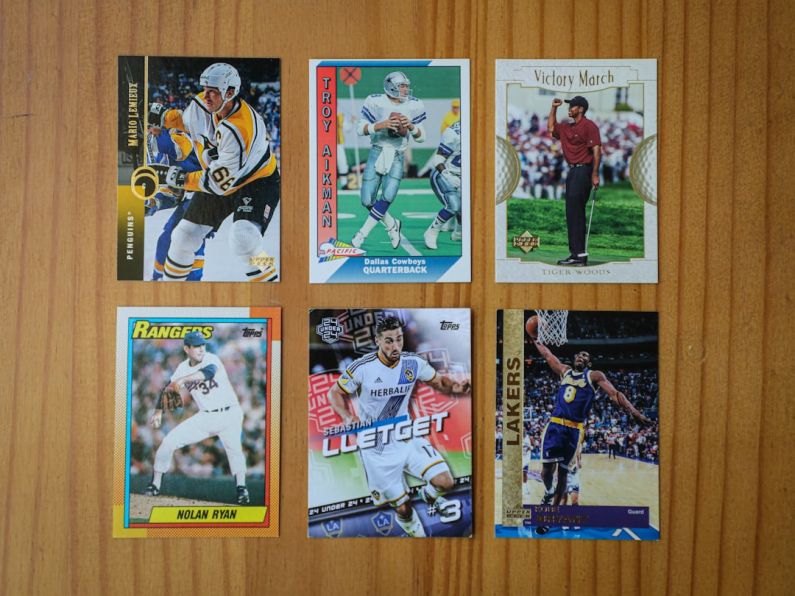
Different types of sports memorabilia require different storage methods. Flat items like autographed photos and trading cards should be stored in acid-free sleeves or top loaders and kept in flat storage boxes. This prevents bending or warping of the items. On the other hand, three-dimensional items such as helmets or balls can be stored upright on shelves or in display cases. Be sure to use appropriate padding or supports to prevent any shifting or damage.
6. Maintain the Right Temperature and Humidity
Extreme temperatures and humidity can have a detrimental effect on sports memorabilia. Aim to store your collection in a climate-controlled environment with a consistent temperature and humidity level. Avoid basements or attics which can be prone to temperature fluctuations and high humidity. Investing in a dehumidifier or using silica gel packets can help regulate moisture levels and prevent mold or mildew growth.
In conclusion, storing and organizing your sports memorabilia properly is essential for preserving their value and sentimental significance. By choosing the right storage containers, keeping items away from direct sunlight, organizing by sport or player, labeling everything clearly, and maintaining the right temperature and humidity, you can ensure that your collection remains in excellent condition for years to come. Whether you are a casual collector or a die-hard fan, these tips will help you protect and showcase your sports memorabilia with pride.