Making the Most of Your Kitchen’s Dry Storage Area
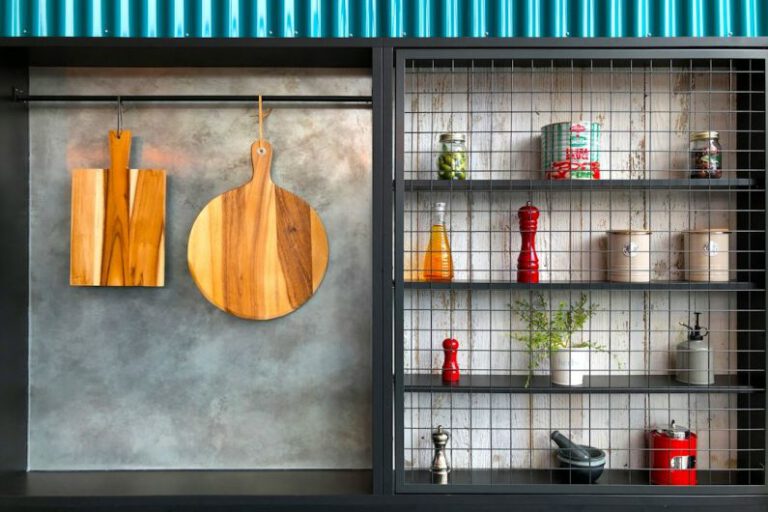
When it comes to organizing your kitchen, one area that often gets overlooked is the dry storage area. This space, typically consisting of shelves or cabinets, is where you store non-perishable items like canned goods, spices, and dry goods. While it may seem like a straightforward task, there are actually several ways you can optimize and make the most of this often underutilized area in your kitchen. In this article, we will explore some helpful tips and tricks to maximize the functionality and organization of your kitchen’s dry storage area.
Group Similar Items Together
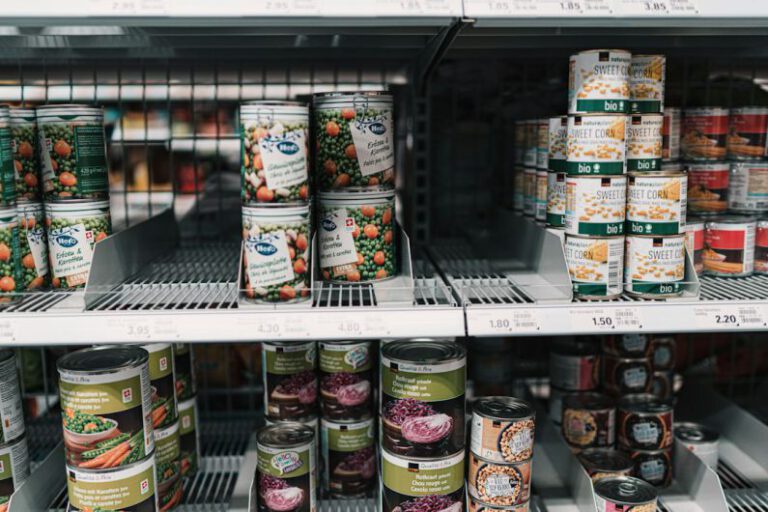
One of the simplest yet most effective ways to optimize your dry storage area is to group similar items together. By organizing your items into categories, such as baking supplies, canned goods, or spices, you can easily find what you need when cooking or baking. Consider using clear bins or containers to further separate and categorize your items. This not only makes it easier to locate specific items but also helps to prevent items from getting lost or forgotten in the back of the cabinet.
Utilize Vertical Space
Another great way to make the most of your dry storage area is to utilize vertical space. Install additional shelves or invest in stackable storage containers to maximize the use of the available space. By stacking items vertically, you can create more room for storage without taking up additional floor or counter space. This is especially useful for small kitchens where every inch of storage space counts.
Label Everything
To avoid the hassle of rummaging through your dry storage area in search of a particular item, consider labeling everything. This simple step can save you time and frustration in the long run. You can use adhesive labels or a label maker to clearly mark the contents of each container or shelf. This not only helps you find what you need quickly but also makes it easier to keep track of your inventory and restock items when needed.
Rotate Your Stock
To ensure that you are using your dry storage items before they expire, it is important to regularly rotate your stock. When you bring new items into your kitchen, make sure to place them at the back of the shelf or cabinet so that older items are used first. This practice, known as “first in, first out,” helps to minimize waste and ensures that you are always using the freshest ingredients.
Consider Installing a Lazy Susan
If you have deep shelves or cabinets in your dry storage area, consider installing a lazy Susan. This rotating tray allows you to easily access items stored at the back of the shelf without having to remove everything in front. It is particularly useful for storing spices, condiments, or small jars that tend to get lost in the depths of the cabinet. With a lazy Susan, you can quickly spin the tray to find what you need, saving you time and frustration.
Incorporate Pull-Out Drawers
For even more convenience and accessibility, consider incorporating pull-out drawers into your dry storage area. These can be installed in lower cabinets or shelves and allow you to easily reach items at the back without having to bend down or strain your back. Pull-out drawers also provide a clear view of your items, making it easier to see and access everything stored within.
In conclusion, your kitchen’s dry storage area is a valuable space that can be optimized for better organization and functionality. By grouping similar items, utilizing vertical space, labeling everything, rotating your stock, and incorporating tools like lazy Susans and pull-out drawers, you can make the most of this space and create a more efficient and enjoyable cooking experience in your kitchen. So, take some time to assess your dry storage area and implement these tips to transform it into a well-organized and easily accessible space.