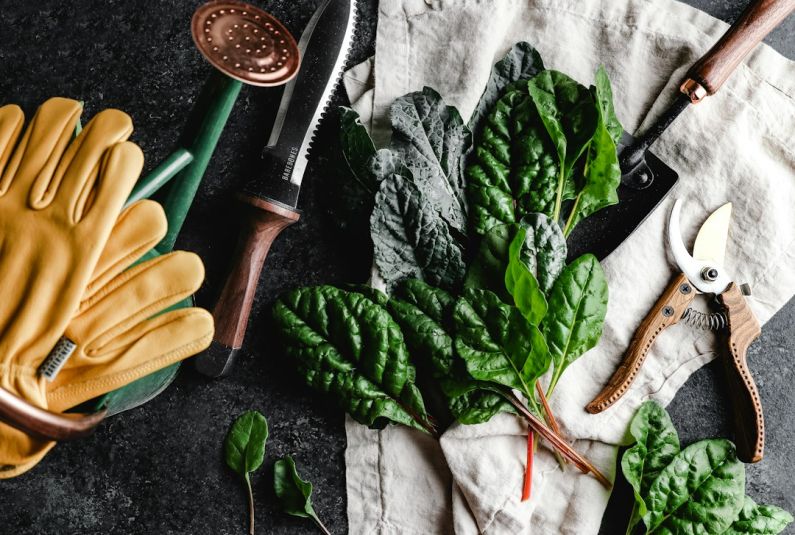
Organizing Your Garden Tools for Efficiency
Having a well-organized garden not only enhances its beauty but also makes the entire gardening process much more efficient. One crucial aspect of maintaining an organized garden is to keep your garden tools in order. If you often find yourself spending valuable time searching for misplaced tools or struggling to find the right one when you need it, it’s time to implement some effective organization techniques. In this article, we will explore different ways to organize your garden tools for maximum efficiency.
Invest in a Tool Shed or Storage Solution
One of the most effective ways to keep your garden tools organized is by investing in a tool shed or a storage solution specifically designed for gardening equipment. A tool shed provides a dedicated space to store your tools, protecting them from the elements and keeping them easily accessible. If space is limited, consider purchasing a garden storage bench or a wall-mounted tool rack. These solutions not only keep your tools organized but also enable you to make the most of your available space.
Categorize and Arrange Tools by Function
To further streamline your gardening tasks, categorize your tools based on their function. Separate hand tools like trowels, pruners, and shears from larger tools such as shovels and rakes. This categorization will enable you to quickly locate the tools you need without rummaging through a cluttered pile. Within each category, arrange your tools by size or purpose, ensuring that the most frequently used ones are easily accessible.
Utilize Pegboards and Magnetic Strips
Pegboards and magnetic strips are excellent options for keeping your garden tools organized and visible. Mount a pegboard on a garage or shed wall and hang your tools using hooks or clips. This method not only keeps your tools off the ground but also allows you to see them at a glance, eliminating the need to search through drawers or bins. Magnetic strips are particularly useful for metal tools such as shears or hand cultivators. Simply attach the magnetic strip to a wall or the inside of a shed door, and your tools will be securely held in place.
Label and Color Code Containers
If you prefer storing your tools in containers, labeling and color coding them can significantly enhance your organization system. Use waterproof labels or paint pens to clearly mark the contents of each container, making it easy to identify the tools inside. Additionally, consider assigning a specific color to each category of tools. For example, use green containers for hand tools and blue containers for larger tools. This visual cue will allow you to quickly locate the container you need, saving you valuable time during your gardening activities.
Regularly Clean and Maintain Your Tools
Lastly, don’t forget to regularly clean and maintain your garden tools. Keeping them in good condition not only prolongs their lifespan but also ensures that they function optimally. After each use, remove dirt and debris from your tools and wipe them down with a clean cloth. Sharpen blades, oil moving parts, and replace any worn-out handles or grips. By taking care of your tools, you not only extend their usability but also prevent them from cluttering your workspace.
In conclusion, organizing your garden tools is essential for maintaining an efficient gardening routine. By investing in a tool shed or storage solution, categorizing and arranging tools by function, utilizing pegboards and magnetic strips, labeling and color coding containers, and regularly cleaning and maintaining your tools, you can create a well-organized garden space that makes gardening a breeze. So, take the time to implement these organization techniques and enjoy a more efficient and enjoyable gardening experience.