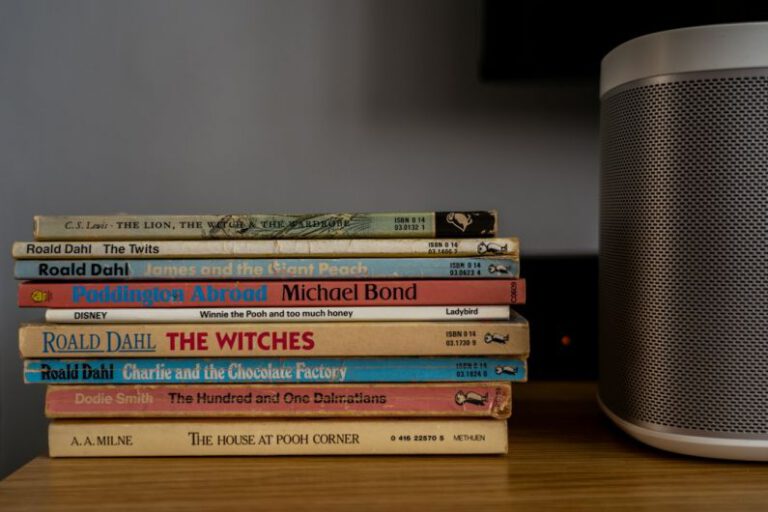
Preventing Mold and Mildew on Stored Paper Goods
Paper goods such as books, documents, and photographs are prone to damage from mold and mildew when stored improperly. These fungi thrive in humid environments and can cause irreversible damage to your valuable paper items. However, with proper storage techniques and preventive measures, you can ensure the longevity of your paper goods. In this article, we will explore effective ways to prevent mold and mildew on stored paper goods.
Understanding Mold and Mildew
Before we delve into prevention methods, it is important to understand the nature of mold and mildew. Mold and mildew are types of fungi that thrive in moist environments. They can grow rapidly on paper goods, causing discoloration, deterioration, and an unpleasant musty odor. Mold and mildew can also pose health risks, triggering allergies and respiratory problems.
Maintaining Optimal Storage Conditions
The first step in preventing mold and mildew on stored paper goods is to create an optimal storage environment. Here are some key factors to consider:
1. Temperature: Maintain a cool temperature between 60°F and 75°F (15°C and 24°C) in the storage area. Avoid extreme temperature fluctuations, as they can promote mold growth.
2. Humidity: Keep the humidity level below 50%. High humidity encourages mold and mildew growth, while low humidity can cause paper to become brittle. Use a dehumidifier or air conditioner to regulate humidity.
3. Air Circulation: Ensure proper air circulation in the storage area. Stagnant air promotes moisture buildup, which can lead to mold growth. Use fans or open windows periodically to allow fresh air to circulate.
4. Light Exposure: Limit exposure to direct sunlight and artificial light. Ultraviolet rays can cause fading and discoloration of paper goods. Store items in dark or opaque containers to protect them from light damage.
Choosing the Right Storage Containers
Selecting the appropriate storage containers is crucial in preventing mold and mildew. Here are some guidelines to follow:
1. Acid-Free Materials: Use acid-free storage containers, folders, and sleeves. Acidic materials can accelerate the deterioration of paper goods, making them more susceptible to mold growth.
2. Archival-Quality Storage Boxes: Opt for archival-quality storage boxes made from acid-free and lignin-free materials. These boxes are designed to protect against mold, mildew, and other environmental factors.
3. Plastic vs. Cardboard: While plastic containers provide better protection against moisture, cardboard boxes can also be used if they are lined with acid-free paper or plastic sleeves. Ensure that the containers are sturdy and can withstand the weight of the stored items.
Implementing Preventive Measures
In addition to maintaining optimal storage conditions and using appropriate containers, there are several preventive measures you can take to further protect your paper goods:
1. Cleanliness: Ensure that the storage area is clean and free from dust, dirt, and debris. Regularly dust and vacuum the space to prevent these particles from settling on your stored items.
2. Handling Precautions: Always handle paper goods with clean, dry hands. Moisture from your hands can transfer onto the items and provide a breeding ground for mold and mildew.
3. Regular Inspection: Regularly inspect your stored paper goods for signs of mold or mildew. If you notice any discoloration, musty odor, or visible growth, take immediate action to address the issue.
Conclusion
By following these preventive measures and maintaining optimal storage conditions, you can significantly reduce the risk of mold and mildew on your stored paper goods. Remember to regularly monitor the storage area and take prompt action if any signs of mold or mildew are detected. With proper care, your valuable paper items can be preserved for generations to come.