Protecting Your Leather Goods in Storage
Leather goods are not only stylish and durable, but they also require proper care and maintenance to ensure their longevity. If you’re planning to store your leather items for an extended period, it’s essential to take the necessary precautions to protect them from damage. In this article, we will discuss some tips and tricks to keep your leather goods in pristine condition while in storage.
Clean and Condition
Before storing your leather goods, it’s crucial to clean and condition them properly. Leather can absorb dirt, oils, and other substances, which can lead to discoloration and cracking if left untreated. Start by wiping down the surface of the leather with a soft, damp cloth to remove any dust or debris. Avoid using harsh chemicals or abrasive cleaners as they can damage the leather.
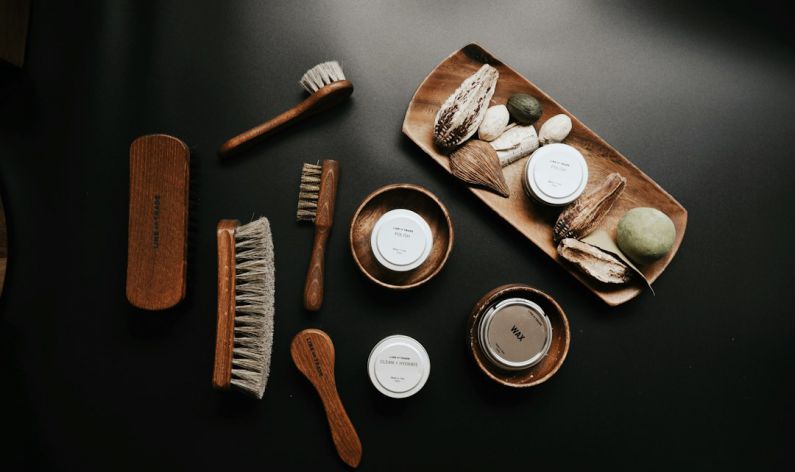
Once the leather is clean, apply a leather conditioner to keep it moisturized and supple. Conditioning helps prevent drying, cracking, and stiffness, which is especially important when storing leather for an extended period. Be sure to follow the manufacturer’s instructions for the best results. Allow the conditioner to fully absorb before moving on to the next step.
Store in a Cool, Dry Place
Proper storage conditions are vital to prevent damage to your leather goods. Excessive heat and humidity can cause the leather to warp, mold, or develop a musty odor. Therefore, it’s essential to store leather items in a cool, dry place. Avoid areas such as attics, garages, or basements, as these tend to have fluctuating temperatures and humidity levels.
If possible, store your leather goods in a climate-controlled environment. A temperature between 60-70°F (15-21°C) with a humidity level of around 40-50% is ideal for maintaining the quality of leather. Additionally, ensure that the storage area is well-ventilated to prevent the build-up of moisture.
Use Proper Packaging
When it comes to storing leather goods, the right packaging can make all the difference. Avoid using plastic bags or covers as they can trap moisture and promote the growth of mold and mildew. Instead, opt for breathable materials such as cotton or canvas dust bags. These allow the leather to breathe while protecting it from dust and light exposure.
Before placing your leather items in the dust bags, make sure they are completely dry and free from moisture. Moisture trapped within the packaging can cause the leather to deteriorate over time. Additionally, stuff the bags with acid-free tissue paper to help maintain the shape of the leather goods.
Regularly Check and Rotate
Even when properly stored, leather goods can still be susceptible to damage if ignored for long periods. Therefore, it’s essential to periodically check on your stored leather items. Inspect them for any signs of mold, mildew, or pest infestation. If you notice any issues, take immediate action to address the problem.
To prevent creases and maintain the shape of your leather goods, it’s also advisable to rotate them occasionally. Leaving leather items in the same position for an extended period can cause permanent creases and distortion. By periodically switching their positions, you can distribute the pressure evenly and minimize the risk of damage.
In conclusion, protecting your leather goods in storage requires a combination of cleaning, conditioning, proper storage conditions, and appropriate packaging. By following these tips, you can ensure that your leather items remain in excellent condition and are ready to use when you retrieve them from storage. Remember, a little extra care now can go a long way in preserving the beauty and longevity of your leather goods.