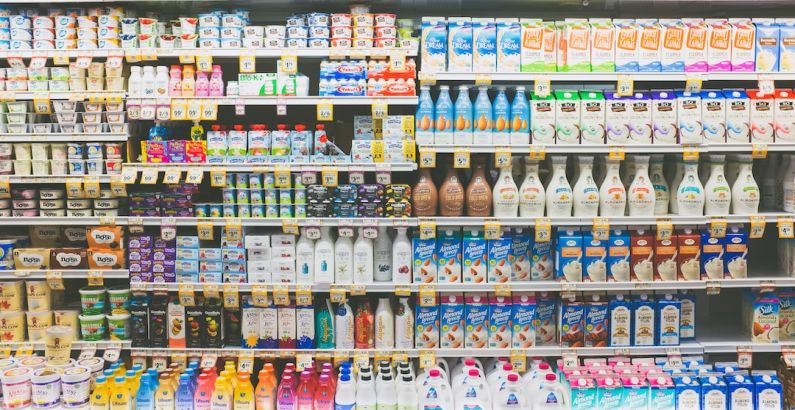
The Ultimate Guide to Storing Dairy Products
Dairy products, such as milk, cheese, and yogurt, are staples in many households. However, improper storage can lead to spoilage and waste. To ensure that your dairy products stay fresh and delicious for as long as possible, follow these simple guidelines.
Understanding the Shelf Life of Dairy Products
Before diving into storage tips, it’s important to understand the shelf life of different dairy products. Milk, for example, typically has a shelf life of about one week after it is opened. Cheese can last anywhere from a few weeks to several months, depending on the type. Yogurt, if unopened, can be stored for two to three weeks beyond the expiration date.
Now that we have a basic understanding of shelf life, let’s explore how to properly store dairy products.
Milk
Milk is a perishable product that requires careful handling and storage. To keep milk fresh for as long as possible, it is essential to store it in the refrigerator at a temperature below 40 degrees Fahrenheit. Additionally, milk should always be kept in its original container, as transferring it to a different container can introduce bacteria and affect its taste.
Cheese
Cheese is a versatile dairy product that comes in various forms and flavors. To extend the shelf life of your cheese, it is crucial to store it properly. Hard cheeses, such as cheddar or Parmesan, should be tightly wrapped in plastic wrap or aluminum foil to prevent moisture loss and the growth of mold. Soft cheeses, like brie or camembert, should be stored in their original packaging or wrapped in wax paper. Remember to always keep cheese in the refrigerator to maintain its freshness and flavor.
Yogurt
Yogurt is a healthy and delicious dairy product that requires specific storage conditions. If unopened, yogurt can be stored in the refrigerator for up to two weeks past its expiration date. However, once opened, yogurt should be consumed within seven days. To prevent contamination and maintain its texture, always reseal the container tightly and store it in the refrigerator.
Tips for Optimizing Dairy Product Storage
Now that we’ve covered the basics, here are some additional tips to optimize the storage of your dairy products:
1. Keep the refrigerator clean: Regularly clean your refrigerator to prevent the growth of bacteria and to eliminate any odors that can transfer to your dairy products.
2. Do not store dairy products in the refrigerator door: The temperature in the door fluctuates more than in the main compartment, making it unsuitable for dairy storage. Instead, place them on a shelf toward the back of the refrigerator.
3. Separate strong-smelling dairy products: Strong-smelling cheeses, such as blue cheese, can easily transfer their odor to other dairy products. To prevent this, store them in a separate container or wrap them tightly.
4. Avoid freezing dairy products: While some dairy products can be frozen, such as butter or hard cheese, freezing can alter the texture and taste of most dairy products. It’s best to consume them before their expiration date.
In conclusion, proper storage is crucial for maximizing the shelf life of dairy products. By following these guidelines, you can ensure that your milk stays fresh, your cheese remains flavorful, and your yogurt maintains its texture. With a little care and attention, you can enjoy your favorite dairy products without worrying about spoilage or waste. So, go ahead and stock up on your favorite dairy products, confident in the knowledge that you can store them properly for maximum freshness and taste.