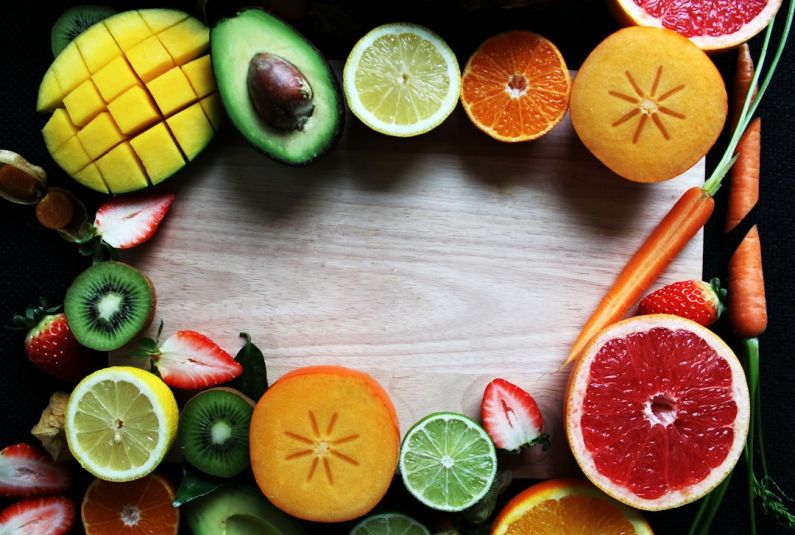
Tips for Storing Exotic Fruits and Vegetables
When it comes to exotic fruits and vegetables, their unique flavors and vibrant colors can add a delightful twist to any meal. However, these exotic produce items often require special care when it comes to storage in order to maintain their freshness and taste. In this article, we will explore some useful tips for storing exotic fruits and vegetables, ensuring that they stay in their prime for as long as possible.
Choose the Right Storage Environment
The first step in storing exotic fruits and vegetables is to select the appropriate storage environment. These delicate produce items are often sensitive to temperature, humidity, and light, so it is important to create the ideal conditions for them to thrive. A cool, dark, and dry place is generally the best option for most exotic fruits and vegetables. Avoid storing them near appliances that produce heat, such as ovens or refrigerators, as this can cause them to spoil quickly.
Separate Ethylene Producers and Ethylene-Sensitive Produce
Ethylene is a natural plant hormone that is released by some fruits and vegetables as they ripen. However, ethylene can also accelerate the ripening process of other produce items, causing them to spoil faster. To prevent this, it is important to separate ethylene producers, such as bananas and avocados, from ethylene-sensitive fruits and vegetables, such as strawberries and lettuce. This can be done by storing them in different compartments or using breathable produce bags.
Handle with Care
Exotic fruits and vegetables are often more delicate than their common counterparts, so it is important to handle them with care to avoid bruising or damage. When handling these produce items, it is recommended to use soft hands and gentle touch. Avoid squeezing or pressing too hard, as this can lead to spoilage or loss of flavor. Additionally, it is best to avoid washing them until you are ready to consume them, as excess moisture can cause them to rot quickly.
Store Cut Exotic Fruits and Vegetables Properly
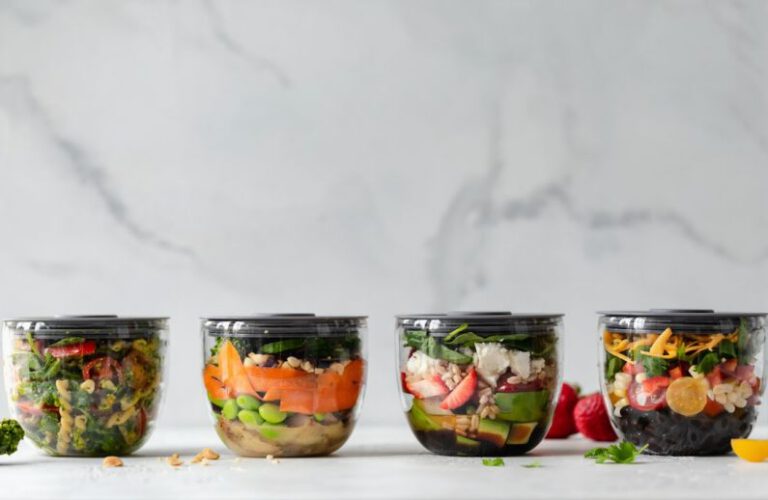
If you have cut exotic fruits or vegetables that you wish to store, it is important to do so in the correct manner to maintain their freshness. Firstly, make sure to store them in an airtight container to prevent moisture loss and exposure to other odors. Secondly, consider adding a squeeze of lemon or lime juice to help preserve their color and prevent browning. Finally, store them in the refrigerator to slow down the spoilage process. However, it is important to note that cut produce should be consumed within a few days for optimal taste and quality.
Utilize Proper Packaging
Using the right packaging can make a significant difference when it comes to storing exotic fruits and vegetables. For many delicate produce items, such as berries or leafy greens, it is best to store them in breathable containers or bags to prevent moisture buildup and allow for proper air circulation. On the other hand, firmer fruits, such as mangoes or papayas, can be stored in perforated plastic bags to maintain moisture levels without causing them to become overly damp.
Incorporate these tips into your storage routine, and you’ll be able to enjoy the flavors and textures of exotic fruits and vegetables for longer periods of time. By choosing the right storage environment, separating ethylene producers from ethylene-sensitive produce, handling with care, storing cut produce properly, and utilizing proper packaging, you can ensure that your exotic produce stays fresh and delicious for as long as possible. So go ahead and explore the world of exotic fruits and vegetables, knowing that you have the knowledge to store them correctly and enjoy their unique flavors to the fullest.