Preparing Appliances for Long-term Storage
When it comes to storing appliances for an extended period, proper preparation is key. Whether you are moving to a new location, downsizing, or simply need to store your appliances temporarily, taking the necessary steps to protect them will ensure they are in good working condition when you need them again. In this article, we will discuss some essential tips for preparing appliances for long-term storage.
Clean and Defrost
Before storing any appliance, it is crucial to clean and defrost it thoroughly. Start by emptying and cleaning out the refrigerator or freezer. Remove all food and wipe down the interior with a mild cleaning solution. Be sure to remove any spills or stains, as they can attract pests and cause odors during storage. Once clean, leave the appliance open to air dry completely.
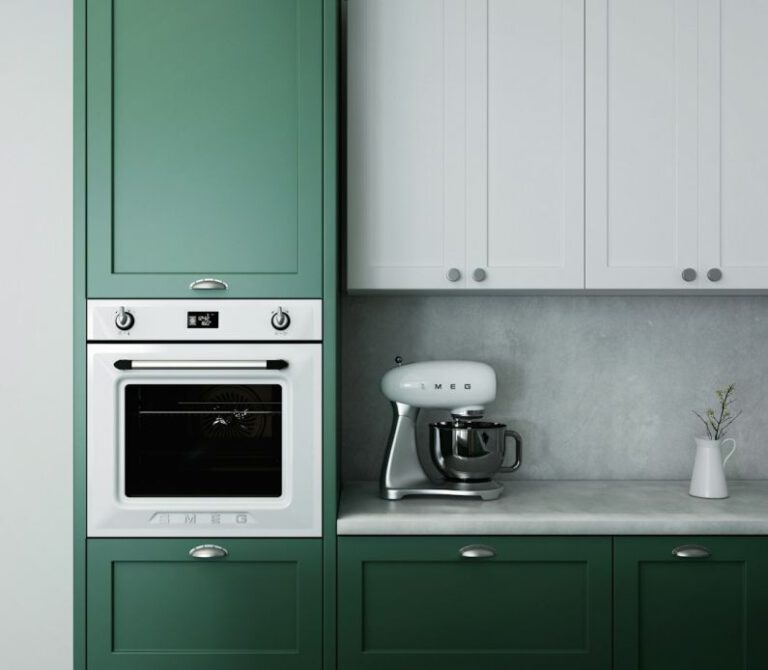
Similarly, for other appliances such as ovens, stovetops, and microwaves, it is important to clean them thoroughly. Remove any food particles or residue and wipe down all surfaces. This will help prevent the growth of mold and keep pests away during storage.
Disconnect and Drain
Before storing any appliance that uses water, such as a washing machine or dishwasher, it is essential to disconnect and drain them properly. Start by unplugging the appliance and turning off the water supply. Then, follow the manufacturer’s instructions to drain the water from the appliance. This step is crucial to prevent any water damage or mold growth during storage.
Protective Measures
To ensure your appliances remain in good condition while in storage, it is important to take some protective measures. Start by wrapping each appliance in a thick moving blanket or bubble wrap to provide cushioning and protection against scratches. Secure the wrapping with tape to keep it in place.
For appliances with glass doors or delicate surfaces, such as refrigerators or oven doors, it is advisable to use masking tape to protect these areas from accidental bumps or scratches. Additionally, consider using appliance covers specifically designed to protect against dust, dirt, and moisture during storage.
Storage Location
Choosing the right storage location is essential for the long-term preservation of your appliances. Look for a clean, dry, and temperature-controlled environment. Avoid storing appliances in areas prone to extreme temperatures, such as garages or attics, as they can cause damage to the internal components.
If possible, elevate your appliances off the ground using pallets or wooden boards to prevent moisture absorption from the floor. This will also help with proper air circulation around the appliances.
Maintenance Checks
While your appliances are in storage, it is important to periodically check on them to ensure they are still in good condition. Every few months, inspect the appliances for any signs of damage or pest infestation. Wipe down the surfaces and remove any dust or debris that may have accumulated.
If you notice any issues, such as leaks or strange odors, it is important to address them immediately. This will prevent further damage and ensure that your appliances are ready to use when you retrieve them from storage.
In conclusion, preparing appliances for long-term storage requires careful planning and attention to detail. By following the tips mentioned in this article, you can ensure that your appliances remain in good working condition and are ready to use when needed. Remember to clean and defrost, disconnect and drain, use protective measures, choose the right storage location, and perform periodic maintenance checks. Taking these steps will help preserve the lifespan of your appliances and save you from unnecessary repairs or replacements in the future.