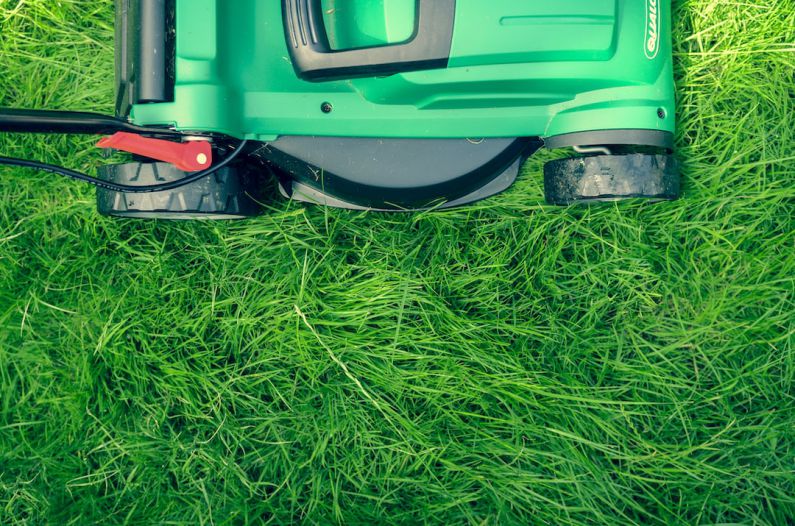
Preparing Your Lawn Equipment for Storage
As the seasons change and the days grow colder, it’s time to start thinking about storing your lawn equipment for the winter. Properly preparing your tools and machinery for storage can help extend their lifespan and ensure they are ready to use when spring arrives. Follow these simple steps to prepare your lawn equipment for storage.
Clean and Remove Debris
Before storing your lawn equipment, it’s important to clean and remove any debris. Grass clippings, dirt, and leaves can accumulate on your tools and machinery, leading to rust and corrosion. Use a brush or a hose to remove any dirt or debris from the surface of your equipment. Pay particular attention to the blades and undercarriage of your lawnmower to ensure they are thoroughly cleaned.
Inspect and Repair
Once your lawn equipment is clean, it’s time to inspect and repair any damage. Check for any loose or missing parts, and replace them if necessary. Inspect the blades of your lawnmower for any signs of damage or excessive wear. If the blades are dull, consider sharpening or replacing them before storing your mower. It’s also a good idea to check the spark plugs and air filters of your equipment and replace them if needed.
Drain Fuel and Oil
One of the most important steps in preparing your lawn equipment for storage is to drain the fuel and oil. Storing your equipment with fuel and oil can lead to clogs and damage to the engine. Start by running your equipment until it is out of fuel. This will prevent any leftover fuel from sitting in the tank and becoming stale. Once the equipment is out of fuel, remove the spark plug and add a small amount of oil to the cylinder. This will help lubricate the engine during storage. Finally, drain the oil from your equipment and replace it with fresh oil.
Protect and Cover
After cleaning, inspecting, and draining, it’s time to protect and cover your lawn equipment. If possible, store your tools and machinery in a dry, climate-controlled area to prevent moisture and rust. If you don’t have access to a garage or shed, consider investing in a weatherproof cover to protect your equipment from the elements. Additionally, you can use a rust inhibitor spray on metal surfaces to provide an extra layer of protection.
Organize and Store Properly
Proper organization and storage can make a big difference when it comes to accessing your lawn equipment in the future. Keep similar tools and accessories together, such as all the attachments for your lawnmower or the blades for your trimmer. This will make it easier to find what you need when it’s time to start working in the garden again. Consider using hooks or shelves to keep your equipment off the ground and neatly organized. This will help prevent damage and make it easier to access your tools when you need them.
By following these steps, you can ensure that your lawn equipment is properly prepared for storage. Taking the time to clean, inspect, and protect your tools and machinery will help extend their lifespan and ensure they are ready to use when the warmer weather arrives. So, don’t neglect your lawn equipment this winter – give it the care it deserves and it will reward you with many seasons of reliable service.