How to Store Firewood Without Attracting Pests
Storing firewood is essential for keeping your home warm during the cold winter months. However, if you’re not careful, it can also attract pests like termites, ants, and rodents. These unwanted visitors can cause damage to your property and even pose health risks. To ensure that your firewood remains pest-free, here are some tips on how to store it without attracting pests.
1. Choose the Right Location
The first step in storing firewood without attracting pests is to choose the right location. Avoid placing your firewood stack directly against the exterior walls of your home. Instead, opt for a spot that is at least 20 feet away from your house. This distance will help prevent pests from easily accessing your home.
2. Elevate Your Firewood
To further discourage pests from infesting your firewood, elevate it off the ground. Use a firewood rack or pallets to create a raised platform for your firewood stack. By keeping it off the ground, you minimize the risk of pests finding their way into the woodpile. This also allows air to circulate around the wood, promoting the drying process and reducing the likelihood of mold or fungus growth.
3. Stack Properly
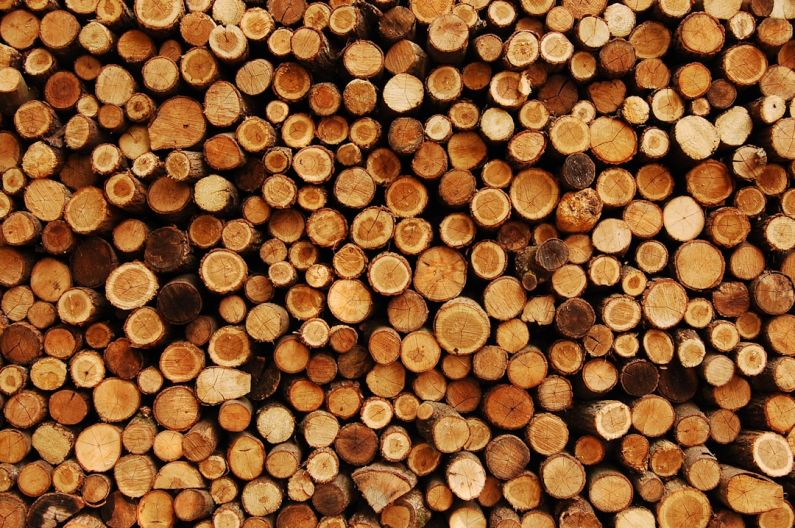
Proper stacking is crucial for firewood storage. Arrange the logs in a neat and organized manner, with enough space between each piece. This promotes airflow and helps the wood dry out more effectively. Avoid stacking the wood too tightly, as this can create a damp environment that attracts pests. Additionally, make sure the stack is stable and secure to prevent it from collapsing and creating hiding spots for pests.
4. Cover Your Firewood
Protect your firewood from rain, snow, and other moisture sources by covering it with a waterproof tarp or firewood cover. This will prevent the wood from becoming damp, which can attract pests and lead to mold growth. Ensure that the cover extends all the way to the ground to prevent pests from entering underneath. Be mindful of the tarp’s condition, as any tears or holes can provide an entry point for pests.
5. Maintain Distance from Vegetation
Avoid stacking firewood near trees, shrubs, or other vegetation. Pests like ants and termites can easily access the woodpile when it is in close proximity to these natural habitats. Keeping a distance between your firewood and vegetation reduces the likelihood of pests using them as a bridge to reach your home.
6. Regularly Inspect and Rotate
Regularly inspect your firewood stack for signs of pests. Look for sawdust, holes, or trails on the surface of the logs, which can indicate the presence of termites or carpenter ants. If you notice any signs of infestation, promptly remove and dispose of the affected logs to prevent the problem from spreading. Additionally, rotate your firewood stack regularly, using the oldest logs first. This helps ensure that pests do not have a chance to establish themselves in the woodpile.
In conclusion, storing firewood without attracting pests requires careful consideration of the location, elevation, stacking, covering, and maintenance of your woodpile. By following these tips, you can enjoy a pest-free firewood supply that keeps your home warm and cozy throughout the winter season.