Storing Sweets and Chocolates
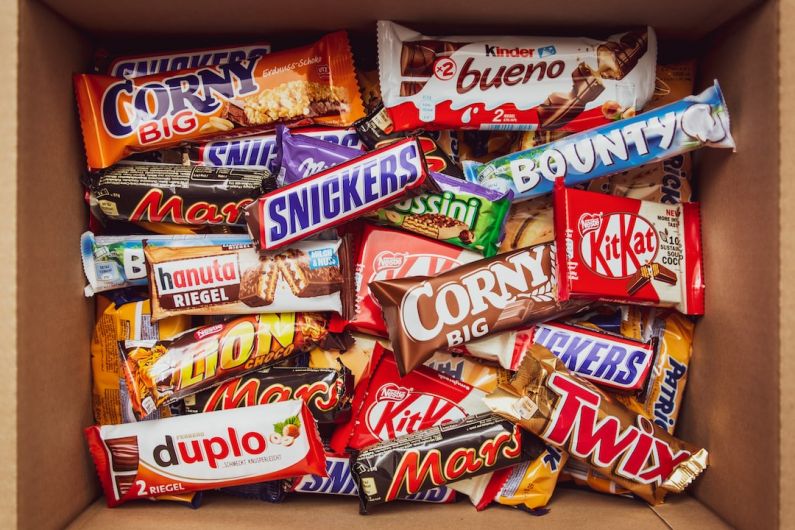
Indulging in sweets and chocolates is a delightful experience, but the key to maintaining their freshness and quality lies in proper storage. Whether you have a stash of delectable treats or are preparing for a special occasion, knowing how to store these sweet delights is crucial. In this article, we will explore the best practices for storing sweets and chocolates, ensuring that they retain their taste, texture, and flavor for maximum enjoyment.
Understanding the Enemy: Moisture
Moisture is the biggest enemy of sweets and chocolates, as it can cause them to become sticky or develop a grainy texture. To prevent this, it is essential to store sweets and chocolates in a cool, dry place. Avoid exposing them to direct sunlight or high temperatures, as this can cause them to melt or lose their shape. The ideal temperature for storing sweets and chocolates is between 60-70°F (15-21°C), as this helps maintain their texture and prevents them from becoming too soft or hard.
The Importance of Airtight Containers
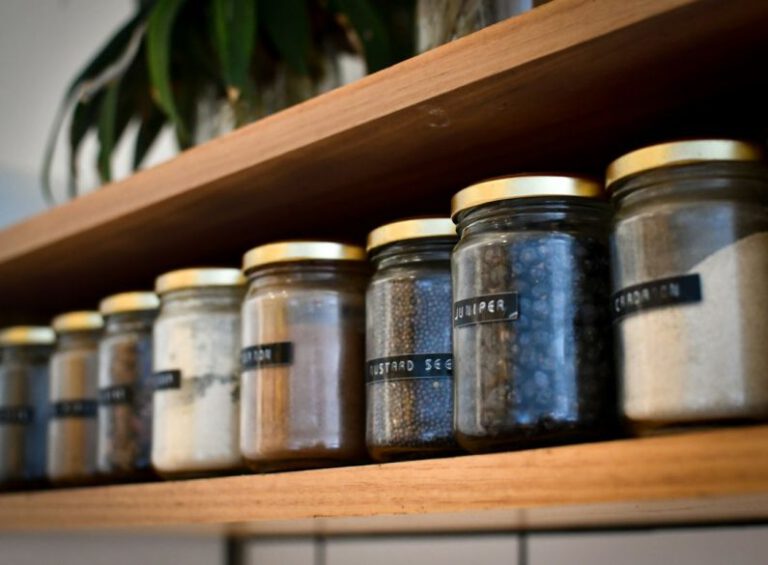
To further protect your sweets and chocolates from moisture, it is vital to store them in airtight containers. This ensures that no air or moisture can penetrate and affect their quality. Opt for containers made of glass or plastic with tight-fitting lids. Additionally, consider wrapping individual pieces in wax paper or aluminum foil before placing them in the container for an extra layer of protection.
Separate and Conquer
Different types of sweets and chocolates often have distinct flavors and aromas. To prevent these flavors from mingling and altering their original taste, it is advisable to store them separately. Keep chocolates in one container and sweets in another, ensuring that they are well-sealed to avoid cross-contamination. This will help preserve the unique characteristics of each treat and allow you to savor their individual flavors.
Refrigeration: A Double-Edged Sword
While refrigeration can be beneficial for certain types of sweets and chocolates, it is not always the best option. Refrigerating chocolates can dull their flavor and cause them to develop a whitish film known as “chocolate bloom.” However, if you live in a hot and humid climate, refrigeration may be necessary to prevent melting. In such cases, it is vital to wrap the chocolates tightly in plastic wrap or place them in an airtight container before refrigerating. Before consuming, allow them to come to room temperature to regain their original texture and flavor.
Freezing: A Savior for Some Sweets
Freezing can be an excellent option for prolonging the shelf life of certain sweets. However, it is essential to choose sweets that are freeze-friendly, such as fudge or nougat-based treats. Before freezing, wrap each piece tightly in plastic wrap and place them in an airtight container or freezer bag. When ready to enjoy, allow them to thaw at room temperature for a few hours before unwrapping.
The Gift of Time
Lastly, it is crucial to consider the shelf life of sweets and chocolates. While some treats are best enjoyed fresh, others can be stored for longer periods. Check the packaging for any specific storage instructions and consume them within the recommended time frame. If you are gifting sweets or chocolates, make sure to inform the recipient about their shelf life, allowing them to savor the treats at their best.
In conclusion,
Storing sweets and chocolates correctly is essential to maintain their quality and flavor. By keeping them in a cool, dry place, using airtight containers, and taking into account factors such as refrigeration and freezing, you can ensure that your sweet indulgences remain fresh and delightful for as long as possible. So, go ahead and stock up on your favorite treats, knowing that you have the knowledge to store them like a pro.