Best Practices for Storing Large Appliances
When it comes to storing large appliances, proper planning and organization are essential. Whether you’re moving to a new home, renovating your current space, or simply need to store your appliances temporarily, following these best practices will ensure that your appliances remain in good condition and are ready for use when needed.
Clean and Prepare
Before storing any large appliances, it’s important to clean and prepare them properly. Start by unplugging the appliance and thoroughly cleaning both the interior and exterior. Remove any detachable parts, such as shelves or drawers, and clean them separately. Be sure to dry everything completely to prevent the growth of mold or mildew during storage.
Disconnect and Secure Cords
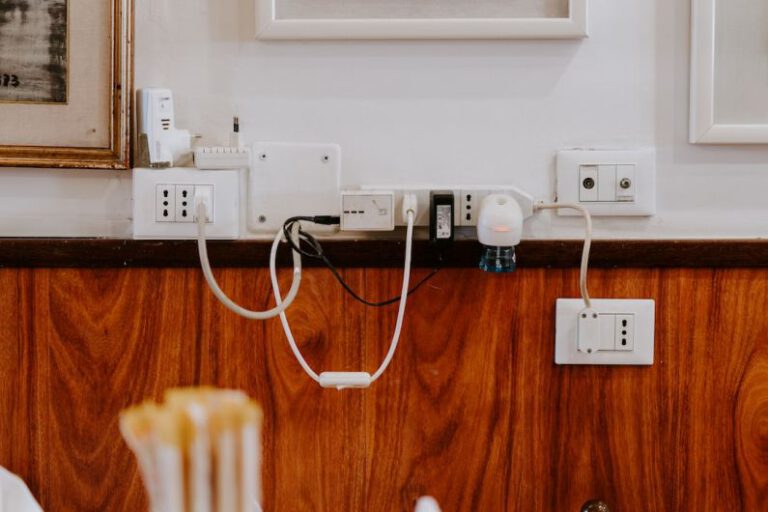
Next, disconnect and secure the cords of your appliances. It’s crucial to prevent any damage to the cords during storage, as this can lead to electrical issues or even fire hazards. Bundle the cords neatly and secure them with zip ties or twist ties. If possible, tape the cords to the back or sides of the appliance to keep them out of the way and prevent tangling.
Protect with Padding
Large appliances can easily get scratched or damaged during storage, especially if they’re stacked or bumped around. To prevent this, it’s important to protect them with padding. Wrap each appliance in a thick blanket or use furniture pads to create a protective layer. Secure the padding with tape or bungee cords to keep it in place.
Elevate and Cover
When storing large appliances, it’s crucial to keep them off the ground to prevent moisture damage. Use pallets or blocks to elevate the appliances, ensuring that they’re not in direct contact with the floor. This will also make it easier to access them when needed. Additionally, cover the appliances with breathable materials, such as old bedsheets or dust covers, to protect them from dust and dirt.
Store in a Climate-Controlled Environment
Large appliances are susceptible to damage from extreme temperatures and humidity. To ensure their longevity, it’s best to store them in a climate-controlled environment. If you have access to a garage, basement, or storage unit with temperature and humidity control, this would be an ideal choice. Avoid storing appliances in outdoor sheds or areas prone to temperature fluctuations.
Label and Organize
To make the retrieval process easier, label and organize your stored appliances. Clearly label each appliance with its name and any other relevant information, such as its model or serial number. This will help you locate specific appliances quickly when you need them. Additionally, keep an inventory list of all the appliances you have stored, along with their respective locations.
Maintain Regular Inspection
Even when appliances are in storage, it’s important to regularly inspect them to ensure they remain in good condition. Check for any signs of damage, such as rust or leaks, and address them promptly. It’s also a good idea to run appliances periodically to prevent any mechanical issues from arising during storage.
Dispose of Appliances Properly
If you no longer need certain appliances, it’s important to dispose of them properly. Large appliances often contain hazardous materials that require special handling. Contact your local waste management facility or recycling center to find out the proper disposal methods for your appliances. This will ensure that they are disposed of in an environmentally-friendly manner.
By following these best practices for storing large appliances, you can ensure that your appliances remain in optimal condition and are ready for use when you need them. From cleaning and preparing to proper labeling and organization, each step plays a crucial role in maintaining the longevity of your appliances. With careful planning and attention to detail, you can confidently store your large appliances and protect your investment.