Creating an Efficient System for Magazine Collections
Magazines are a popular form of media that provide readers with a wide range of topics and interests. However, organizing and managing a collection of magazines can be a daunting task. In order to create an efficient system for magazine collections, it is important to consider several key factors. By implementing these strategies, you can ensure that your collection is easily accessible and well-maintained.
Categorizing by Topic
One effective way to organize your magazine collection is by categorizing them according to their topics. This allows for easy retrieval and ensures that magazines with similar content are grouped together. For example, you can have separate sections for fashion, sports, travel, and cooking. By doing so, you will be able to quickly locate specific magazines and find related content easily.
Alphabetical Order
Another useful strategy is to arrange the magazines in alphabetical order within each category. This simple yet effective method allows for quick and easy access to specific titles. By organizing your magazines alphabetically, you eliminate the need to search through a large stack or pile to find the one you are looking for. This method also helps in maintaining a neat and organized collection.
Labeling and Tagging
Labeling and tagging are essential steps in creating an efficient system for magazine collections. By clearly labeling each magazine with its title and date of publication, you can quickly identify and locate specific issues. Additionally, consider using tags or stickers to mark magazines that are of particular interest or relevance. This can help you prioritize which magazines to read first and also serve as a reminder of articles you may want to revisit later.
Storage Solutions
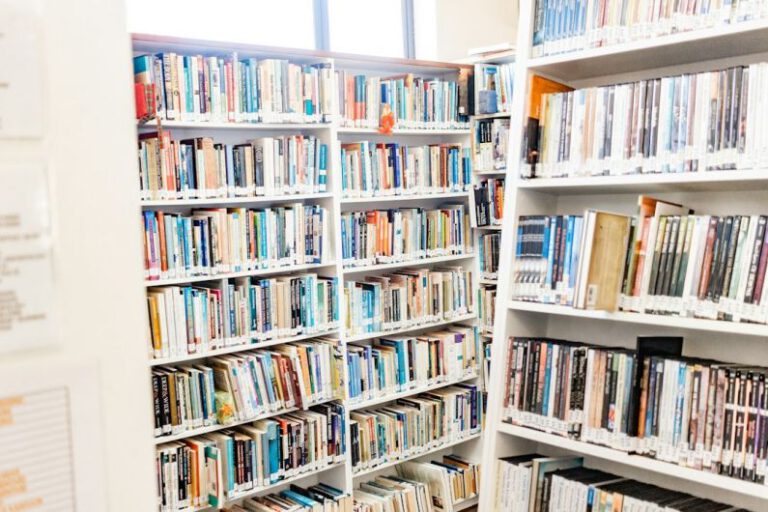
Finding the right storage solutions is crucial in maintaining an efficient magazine collection. Consider investing in magazine holders or boxes that are specifically designed for organizing and storing magazines. These storage solutions not only keep your magazines in good condition but also make it easier to organize and access them. Make sure to choose storage options that are sturdy and can accommodate different sizes of magazines.
Digital Archiving
In today’s digital age, it is also worth considering digital archiving as an efficient way to manage your magazine collection. There are various online platforms and applications that allow you to scan and digitize your magazines, creating a digital library that can be accessed from anywhere. Digital archiving not only saves physical space but also provides an easy and convenient way to search for specific articles or issues.
Regular Maintenance
Maintaining an efficient system for magazine collections requires regular maintenance. Set aside time periodically to review your collection, remove any duplicates or outdated magazines, and ensure that everything is in order. This will help prevent clutter and keep your collection organized and up to date.
Conclusion
Creating an efficient system for magazine collections is essential for easy access and organization. By categorizing by topic, arranging alphabetically, labeling and tagging, using appropriate storage solutions, considering digital archiving, and conducting regular maintenance, you can ensure that your magazine collection remains well-organized and easily manageable. With these strategies in place, you will be able to enjoy your magazines without the frustration of searching for specific issues or articles. Start implementing these steps today and experience the benefits of an efficient magazine collection system.