Organizing Home Libraries for Easy Access
Having a home library is a luxury that many book lovers dream of. However, maintaining an organized library can be a daunting task. With books piling up over time, it’s easy for chaos to ensue. But fear not! With a few simple strategies, you can transform your cluttered shelves into a well-organized haven for your beloved books. In this article, we will explore some effective ways to organize your home library for easy access.
Categorize by Genre or Topic
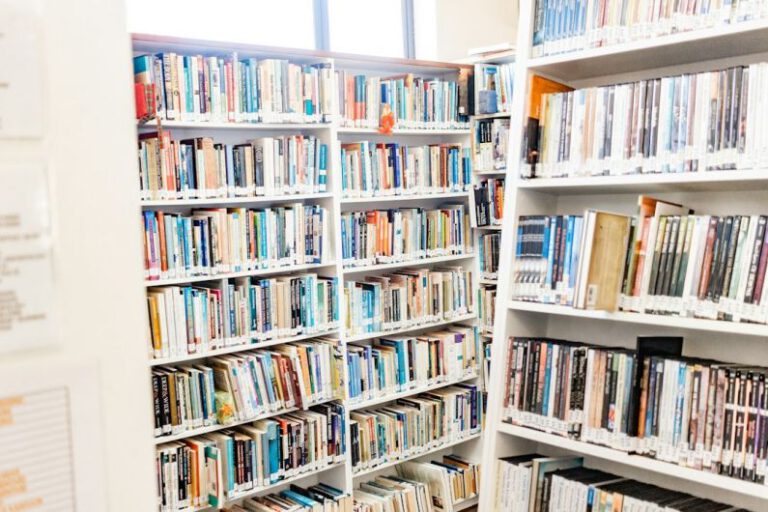
One of the most efficient ways to organize your home library is to categorize your books by genre or topic. This method allows you to quickly locate specific books when you need them. For example, you could have separate sections for fiction, non-fiction, biographies, and self-help books. Within each section, you can further organize by subcategories such as romance, mystery, history, or cooking. By grouping similar books together, you create a logical system that makes finding the right book a breeze.
Alphabetize Authors’ Last Names
Another tried and true method for organizing your home library is to alphabetize books by authors’ last names. This method is especially useful if you have a large collection of books by different authors. By arranging them alphabetically, you can easily find books by your favorite authors or locate specific titles. This system works well for both fiction and non-fiction books, as long as you have a standardized way of sorting authors’ names.
Utilize Bookends and Shelf Dividers
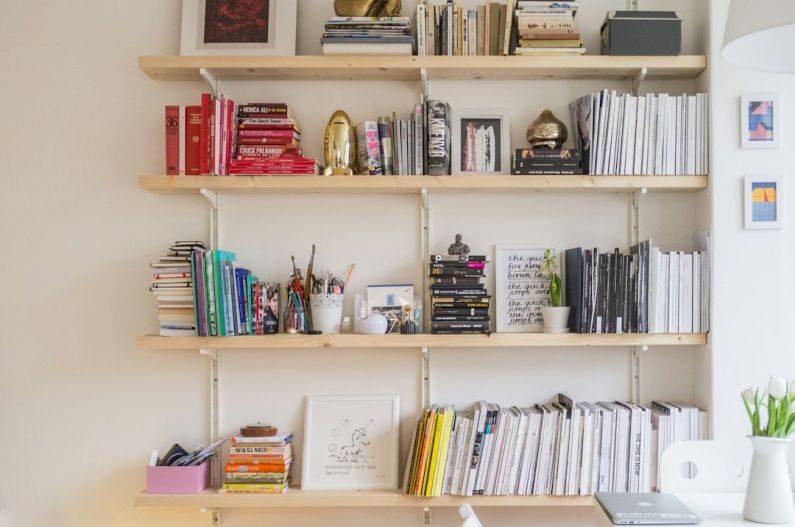
To keep your books upright and prevent them from toppling over, bookends are a must-have. They not only serve a functional purpose but also add a touch of aesthetic appeal to your shelves. Choose bookends that match your home decor and complement the overall style of your library. Additionally, shelf dividers can help keep books neatly separated, especially if you have limited space or want to create distinct sections within a larger shelf.
Consider Size and Height
When arranging your books, take into account their size and height. Placing taller books at the ends of shelves or in the middle can create a visually pleasing arrangement. This technique not only adds balance to your shelves but also makes it easier to spot specific books. Additionally, grouping books of similar sizes together can create a more cohesive look and prevent your shelves from appearing cluttered.
Create a Digital Catalog
In this digital age, creating a digital catalog of your home library can be a game-changer. There are various apps and software available that allow you to scan and organize your books digitally. With a digital catalog, you can quickly search for books by title, author, or keyword. This method is particularly useful if you have a large collection and want to keep track of books you have lent to friends or family.
Regularly Weed Out Unwanted Books
Lastly, as your library grows, it’s important to regularly weed out books that you no longer need or enjoy. Donate or sell books that you have read and are unlikely to revisit. By periodically decluttering your collection, you not only free up space for new books but also ensure that your library remains organized and manageable.
In conclusion, organizing your home library is a rewarding endeavor that can enhance your reading experience. By categorizing books by genre or topic, alphabetizing authors’ last names, utilizing bookends and shelf dividers, considering size and height, creating a digital catalog, and regularly weeding out unwanted books, you can create a well-organized library that is easy to navigate. So, roll up your sleeves, grab your favorite books, and embark on the journey to organizing your home library for easy access.