Eco-friendly Storage Solutions for Clothing
In today’s world, where sustainability is becoming increasingly important, finding eco-friendly storage solutions for clothing is essential. Not only does it help reduce waste and protect the environment, but it also allows us to organize our wardrobes in a more efficient and effective manner. With this in mind, let’s explore some innovative and eco-conscious storage options that will help you keep your clothing in order while minimizing your carbon footprint.
1. Upcycled Storage Containers
One of the easiest and most sustainable ways to store clothing is by repurposing old containers. Instead of buying new plastic bins or boxes, consider using items you already have at home. Old suitcases, woven baskets, or even vintage trunks can be transformed into stylish storage solutions. By upcycling these items, you are giving them a second life and reducing waste in the process.
2. Natural Fiber Garment Bags
When it comes to protecting your clothing, garment bags are a must. However, instead of opting for plastic or synthetic materials, choose natural fiber garment bags. These bags are made from materials such as cotton, linen, or hemp, which are biodegradable and less harmful to the environment. They not only keep your clothes safe from dust and damage but also help maintain their quality over time.
3. Recycled Hangers
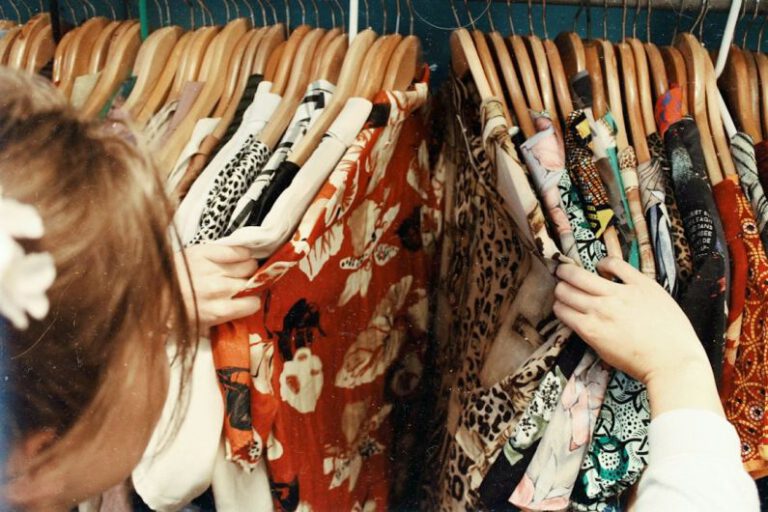
Hangers are a necessity in any wardrobe, but they can contribute to unnecessary waste. Instead of purchasing new hangers made from plastic or metal, consider using recycled hangers. These hangers are made from materials such as recycled plastic or wood, reducing the demand for new resources. By choosing recycled hangers, you are minimizing your impact on the environment without compromising on functionality.
4. Drawer Dividers
Keeping your drawers organized can be a challenge, but using drawer dividers can make a significant difference. Instead of buying plastic dividers, opt for eco-friendly alternatives such as bamboo or recycled cardboard dividers. These materials are sustainable and biodegradable, ensuring that your drawers stay neat while minimizing your environmental impact.
5. Vacuum Storage Bags
For those who struggle with limited closet space, vacuum storage bags are a game-changer. These bags allow you to compress your clothing, reducing their volume significantly. By using vacuum storage bags, you can maximize your storage space without the need for additional closets or wardrobes. Look for bags made from eco-friendly materials such as recycled plastic, and ensure that they are reusable to minimize waste.
6. Shelving Units Made from Sustainable Materials
Investing in shelving units made from sustainable materials is another eco-friendly storage solution for clothing. Instead of choosing shelves made from particleboard or plastic, opt for options made from bamboo, reclaimed wood, or metal. These materials are more durable and have a lower environmental impact. Additionally, consider repurposing old furniture or pallets to create unique and sustainable shelving units.
In conclusion, finding eco-friendly storage solutions for clothing is not only a responsible choice but also an opportunity to get creative and innovative. By repurposing old containers, using natural fiber garment bags, opting for recycled hangers, using drawer dividers made from sustainable materials, using vacuum storage bags, and investing in shelving units made from eco-friendly materials, you can organize your wardrobe while minimizing your carbon footprint. These small changes can make a significant difference in reducing waste and protecting the environment. So, why not start incorporating these eco-friendly storage solutions into your daily life and contribute to a more sustainable future?