Protecting Delicate Garments in Storage
Storing delicate garments can be a challenge, especially when you want to ensure they remain in pristine condition for years to come. Whether you are storing vintage clothing, heirloom pieces, or simply garments with delicate fabrics, there are several steps you can take to protect them. In this article, we will explore some useful tips to help you safeguard your delicate garments in storage.
Choose the Right Storage Containers
One of the first steps in protecting delicate garments is selecting the right storage containers. Avoid using plastic bags or cardboard boxes, as they can trap moisture and damage the fabric. Instead, opt for acid-free and breathable storage containers made of materials such as cotton or muslin. These containers will allow air circulation while protecting your garments from dust, insects, and harmful environmental factors.
Clean and Dry the Garments
Before storing delicate garments, it is crucial to clean them properly. Any stains or spills left untreated can become permanent over time, causing irreversible damage. Follow the care instructions provided by the garment manufacturer and consider professional dry cleaning for delicate fabrics. Once clean, ensure that the garments are completely dry before storing them to prevent the growth of mold and mildew.
Use Acid-Free Tissue Paper
To further protect delicate garments, consider using acid-free tissue paper. This specialized paper is designed to prevent discoloration and deterioration of fabrics. Wrap each garment individually in acid-free tissue paper to provide an extra layer of protection against friction and dust. Avoid using regular tissue paper or newspaper, as the acid content in these materials can cause yellowing and staining.
Avoid Wire Hangers
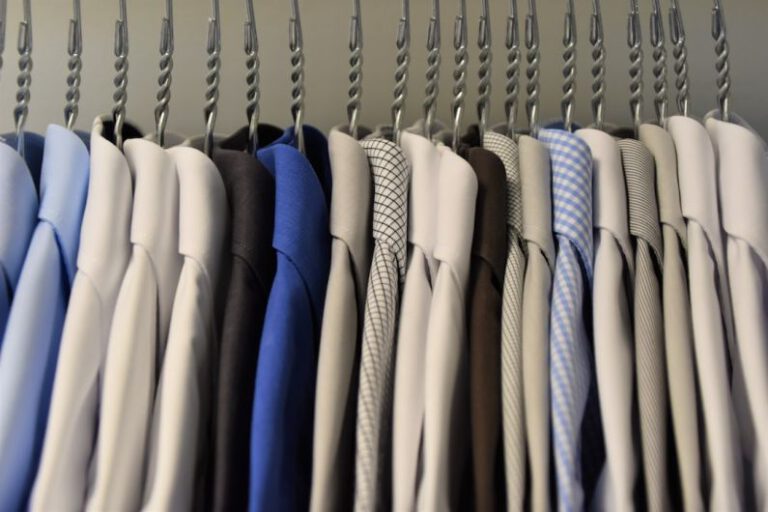
Wire hangers may seem convenient, but they can be detrimental to delicate garments. The thin metal can stretch and distort the shape of the fabric, leaving permanent damage. Opt for padded or wooden hangers instead, which provide better support and help maintain the garment’s original form. Hanging delicate garments also allows for better air circulation and reduces the risk of creasing.
Store in a Cool, Dark, and Dry Environment
The environment in which you store your delicate garments plays a significant role in their preservation. Avoid storing them in areas prone to extreme temperature fluctuations, high humidity, or excessive sunlight exposure. Ideal storage locations include a closet away from windows, a cool basement, or a temperature-controlled storage unit. Ensure the storage area is clean and free from pests to prevent any unwanted damage.
Regularly Check and Rotate
While your delicate garments are in storage, it is essential to periodically check on them. This allows you to identify any potential issues such as mold growth, insect infestations, or fabric deterioration. Take the opportunity to rotate and refold the garments to prevent permanent creases and redistribute any pressure points. Regularly inspecting and caring for your delicate garments will help prolong their lifespan and keep them in optimal condition.
Conclusion: Preserve Your Delicate Garments
Protecting delicate garments in storage requires careful consideration and attention to detail. By choosing the right storage containers, cleaning and drying the garments properly, using acid-free tissue paper, avoiding wire hangers, and storing in a suitable environment, you can ensure the longevity of your cherished pieces. Regularly checking and rotating the garments will help you catch any issues early on and take necessary measures to preserve their beauty. With these tips in mind, you can confidently store your delicate garments and enjoy them for years to come.