Storing Specialty Footwear (dance, Sports, Etc.)
Specialty footwear, such as dance shoes, sports shoes, and other specialized footwear, requires proper storage to keep them in good condition and prolong their lifespan. In this article, we will explore some effective methods for storing specialty footwear, ensuring they stay in great shape and ready for use whenever needed.
Sort and Clean
Before storing specialty footwear, it is important to sort and clean them properly. Start by separating the different types of footwear into categories, such as dance shoes, sports shoes, or any other specialty footwear you may have. This will make it easier to organize and store them later.
Next, thoroughly clean each pair of shoes. Use a soft brush or cloth to remove any dirt, dust, or debris from the surface of the shoes. For dance shoes or sports shoes with removable insoles, take them out and clean them separately. Allow the shoes to dry completely before proceeding to the next step.
Properly Store
When it comes to storing specialty footwear, it is crucial to find the appropriate storage solutions. Here are some effective methods for storing different types of specialty footwear:
1. Dance Shoes: Dance shoes, such as ballet flats or pointe shoes, are delicate and require special care. To store them properly, consider investing in a shoe bag or a shoe organizer specifically designed for dance shoes. These bags or organizers will protect the shoes from dust, moisture, and potential damage.
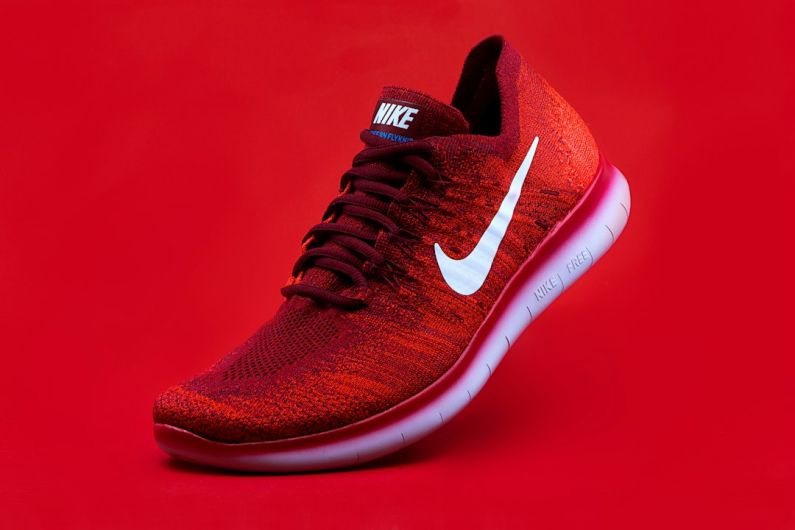
2. Sports Shoes: Sports shoes, like running shoes or basketball shoes, can be stored in shoeboxes or clear plastic containers. Make sure to clean the shoes thoroughly before storing them to prevent any odor or bacteria buildup. For added protection, consider placing silica gel packs inside the shoeboxes or containers to absorb moisture.
3. Other Specialty Footwear: For other types of specialty footwear, such as hiking boots or golf shoes, it is best to store them in a cool, dry place. Avoid storing them in direct sunlight or near any heat sources, as this can cause the materials to deteriorate. Additionally, consider using shoe racks or shelves to keep them organized and easily accessible.
Tips for Long-Term Storage
If you plan to store your specialty footwear for an extended period, there are a few additional tips to keep in mind:
1. Use Acid-Free Tissue Paper: To prevent any discoloration or damage to the shoes, wrap them individually in acid-free tissue paper before storing them. This will help maintain the integrity of the materials and prevent any unwanted reactions.
2. Rotate Shoes: If you have multiple pairs of specialty footwear, it is beneficial to rotate them regularly. This will prevent any one pair from being constantly under pressure or strain, prolonging their lifespan.
3. Check and Maintain: Periodically check on your stored specialty footwear to ensure they are in good condition. If you notice any signs of damage or deterioration, take appropriate measures to address the issue promptly. This may include repairing or replacing the shoes if necessary.
In conclusion, storing specialty footwear requires proper organization and care. By sorting and cleaning the shoes, utilizing appropriate storage solutions, and following these tips for long-term storage, you can ensure your specialty footwear remains in excellent condition for years to come. So, take the time to give your specialty footwear the attention they deserve and enjoy their functionality and style whenever you need them.