Preserving Vintage Clothing Properly
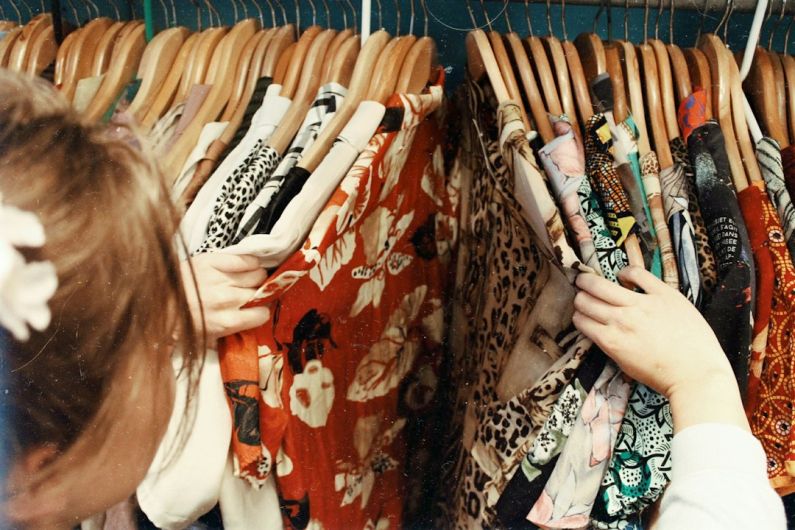
Vintage clothing has a unique charm and appeal that cannot be replicated by modern fashion. Whether it’s a beautiful 1950s dress or a classic pair of Levi’s jeans from the 1970s, vintage pieces have a history and character that make them truly special. However, because of their age and delicate nature, it is important to take proper care of vintage clothing to ensure its preservation. In this article, we will discuss some essential tips for preserving vintage clothing properly.
Understanding the Fabric
Before you start handling and caring for your vintage clothing, it is crucial to understand the fabric it is made of. Different fabrics require different care methods, and using the wrong techniques can lead to irreversible damage. Conduct some research or consult a textile expert to identify the type of fabric your garment is made of and learn about its specific care requirements.
Cleaning Vintage Clothing
Cleaning vintage clothing can be a delicate process, as many fabrics are not designed to withstand harsh cleaning methods. It is important to avoid using regular laundry detergents and opt for gentle, non-abrasive options instead. Always hand wash vintage clothing using cold water and a mild detergent specifically formulated for delicate fabrics. Avoid wringing or twisting the garments, as this can cause stretching or tearing. Instead, gently squeeze out the excess water and lay the clothes flat to dry on a clean towel.
Storing Vintage Clothing
Proper storage is crucial for preserving vintage clothing. Avoid hanging delicate pieces, as this can cause stretching and distortion. Instead, fold the garments and store them in acid-free tissue paper or muslin bags to protect them from dust and light. Ensure that the storage area is cool, dry, and well-ventilated to prevent mold and mildew growth. Avoid storing vintage clothing in plastic bags, as they can trap moisture and lead to deterioration.
Protecting from Sunlight
Direct sunlight can be damaging to vintage clothing, causing colors to fade and fabrics to weaken. To protect your garments, store them in a dark area away from windows or use UV-blocking curtains or blinds to shield them from sunlight. If you plan to display your vintage clothing, consider using UV-protected display cases or mannequins to minimize exposure.
Repairing and Restoring
Vintage clothing often requires some degree of repair or restoration due to its age and wear. However, it is important to approach these tasks with caution to avoid causing further damage. If you are unsure about making repairs yourself, it is best to seek the assistance of a professional tailor or restoration specialist. They will have the necessary skills and expertise to handle delicate fabrics and intricate details without compromising the integrity of the garment.
Documenting and Archiving
Preserving vintage clothing goes beyond just physical care. It is also important to document and archive the history and stories behind each piece. Take photographs of your vintage clothing, including any labels or tags that provide information about the garment’s origin and era. Keep a record of when and where you acquired each item, as well as any relevant anecdotes or memories associated with them. This will not only add value to your collection but also contribute to the preservation of fashion history.
In conclusion, preserving vintage clothing properly requires a combination of careful handling, gentle cleaning, appropriate storage, and thoughtful documentation. By following these tips, you can ensure that your beloved vintage pieces remain in excellent condition for years to come. Remember, each vintage garment has its own story to tell, and by nurturing and preserving them, we can continue to appreciate and celebrate the rich history of fashion.