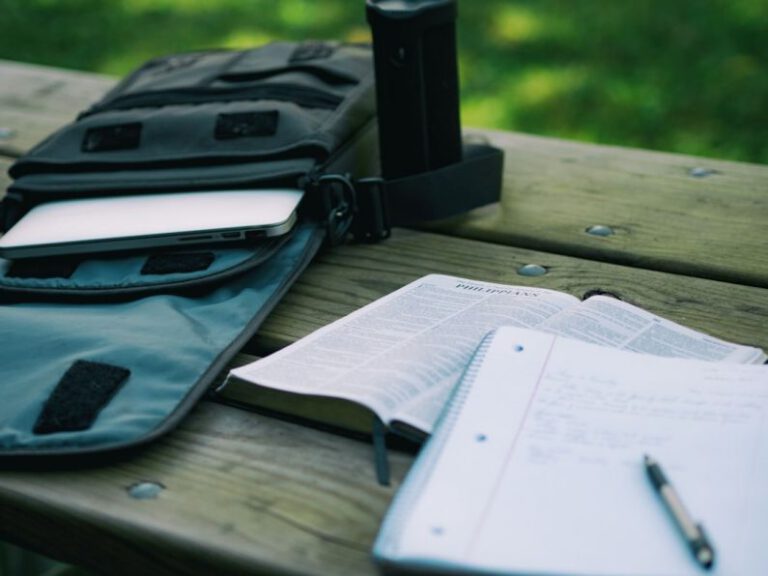
Creating a Catalog System for Your Personal Library
Are you tired of spending hours searching for a specific book in your personal library? Do you often find yourself buying duplicate copies of books because you can’t remember if you already own them? If so, it’s time to create a catalog system for your personal library. With a well-organized catalog, you’ll be able to easily locate and keep track of your books, saving you time and money in the long run.
1. Assess Your Collection
Before you begin creating your catalog system, take some time to assess your collection. Start by gathering all your books in one place and sorting them by genre, author, or any other system that makes sense to you. This will give you a better understanding of the scope of your collection and help you determine the best way to categorize and organize your books.
2. Choose a Cataloging Method
There are several cataloging methods you can choose from, depending on your preferences and the size of your collection. One popular method is the Dewey Decimal System, which is commonly used in libraries. This system assigns a unique number to each book based on its subject matter. Another option is the Library of Congress Classification System, which is more detailed and suitable for larger collections.
If you prefer a simpler approach, you can create your own system using categories and subcategories that make sense to you. For example, you could organize your books by genre, then further categorize them by author or publication date. The key is to choose a method that is intuitive and easy to maintain.
3. Create a Cataloging System
Once you’ve decided on a cataloging method, it’s time to create a system that works for you. Start by assigning a unique identifier to each book, such as a number or a barcode. This will make it easier to track and locate your books in the future. Next, create a spreadsheet or use cataloging software to record important information about each book, such as the title, author, publication date, and location.
To make your catalog even more effective, consider adding additional fields for notes, such as the condition of the book or any special annotations you’ve made. This will help you keep track of important details and make it easier to find specific books when you need them.
4. Organize Your Books
Now that you have a cataloging system in place, it’s time to organize your books accordingly. Start by physically arranging your books in a way that aligns with your catalog. For example, if you’ve chosen to organize them by genre, create separate sections for each genre on your bookshelves. Within each section, arrange the books by author or any other subcategory you’ve chosen.
As you place each book on the shelf, make sure to label it with its unique identifier. This will help you quickly locate the book in your catalog when you need it. Additionally, consider creating a digital backup of your catalog in case of loss or damage.
5. Maintain and Update Your Catalog
Creating a catalog system is just the first step. To ensure its effectiveness, you need to regularly maintain and update it. Whenever you acquire a new book, make sure to add it to your catalog immediately. Similarly, if you decide to sell or donate a book, remove it from your catalog to keep it accurate and up to date.
Periodically review your catalog to ensure that all the information is still accurate. If you’ve made any changes to your physical organization, make sure to update your catalog accordingly. By regularly maintaining and updating your catalog, you’ll be able to easily navigate and enjoy your personal library for years to come.
In conclusion, creating a catalog system for your personal library is a worthwhile investment of time and effort. By carefully assessing your collection, choosing a cataloging method, creating a system, organizing your books, and maintaining and updating your catalog, you’ll be able to easily locate and keep track of your books. So go ahead and start cataloging your personal library today!