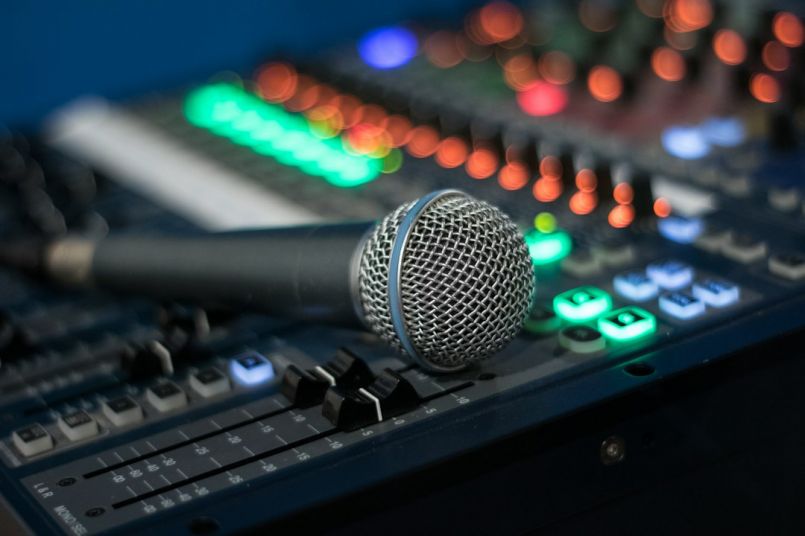
Protecting Your Sound Equipment and Speakers
Whether you are a professional musician, a DJ, or simply a music enthusiast, protecting your sound equipment and speakers is vital. Sound equipment is not only expensive but also delicate, and any damage to it can result in costly repairs or replacements. Fortunately, there are several steps you can take to ensure the safety and longevity of your sound equipment and speakers. In this article, we will explore some essential tips for protecting your valuable audio gear.
Invest in Quality Cases and Bags
One of the first steps in protecting your sound equipment is investing in high-quality cases and bags. These protective cases are designed to fit specific equipment, providing a secure and padded environment for your gear. When purchasing cases and bags, make sure they are made from durable materials and have sufficient padding to absorb shocks and impact. Additionally, opt for cases with secure closures, such as zippers or latches, to prevent accidental openings during transportation.
Handle with Care
When handling your sound equipment, always remember to do so with care. Avoid dropping or mishandling your gear, as even minor impacts can cause significant damage. When setting up or packing up your equipment, take your time and be gentle. It is also essential to avoid placing heavy objects on top of your speakers or sound equipment, as this can damage delicate components or cause structural issues.
Secure Your Equipment during Transport
Transporting your sound equipment can be a risky endeavor, as bumps and vibrations during transit can cause damage. To protect your gear while on the move, secure it properly in your vehicle. Use straps or bungee cords to keep your equipment in place and prevent it from shifting or falling during transit. Additionally, avoid placing gear in areas of your vehicle where it may be susceptible to extreme temperatures or direct sunlight.
Keep Your Equipment Clean and Dust-Free
Regular cleaning and maintenance are crucial for protecting your sound equipment and speakers. Dust and dirt can accumulate on the surfaces and within the components, affecting their performance and longevity. Use a soft, lint-free cloth to wipe down your equipment regularly, removing any dust or debris. For hard-to-reach areas, use a can of compressed air to blow away dust particles. Avoid using abrasive cleaning agents or solvents, as they can damage the surfaces or sensitive electronics.
Manage Environmental Factors
Environmental factors can have a significant impact on the lifespan of your sound equipment and speakers. Excessive humidity or moisture can cause corrosion and damage internal components. To protect your gear, store it in a dry and well-ventilated area. If you live in a humid climate, consider using dehumidifiers or silica gel packs in your storage space to reduce moisture levels. Additionally, avoid exposing your sound equipment to extreme temperatures, as this can also cause damage.
Conclusion: Protecting Your Investment
Protecting your sound equipment and speakers is essential for ensuring their longevity and performance. By investing in quality cases, handling your gear with care, securing it during transport, keeping it clean and dust-free, and managing environmental factors, you can safeguard your investment. Taking these proactive measures will not only save you money on potential repairs or replacements but also guarantee that your sound equipment and speakers continue to deliver optimal sound quality for years to come.