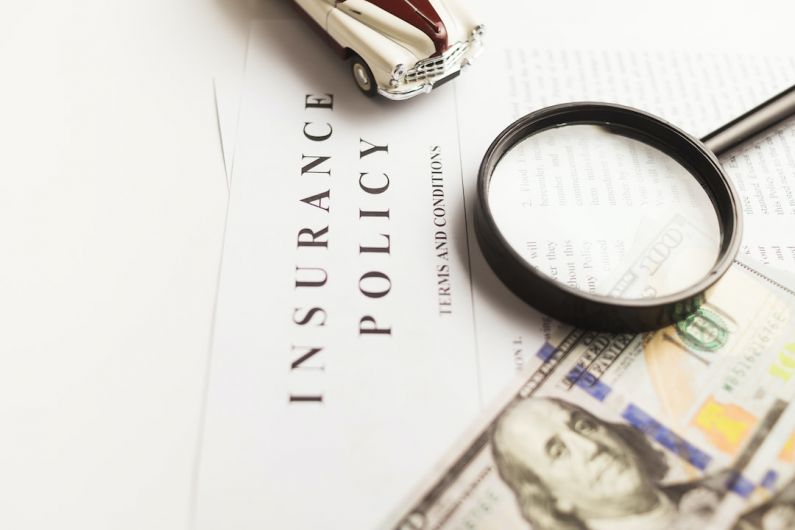
Storing Important Documents Safely
In today’s digital age, the importance of storing important documents safely cannot be overstated. Whether it’s birth certificates, passports, property deeds, or financial records, the loss or damage of these crucial documents can cause significant stress and inconvenience. Therefore, it is essential to take the necessary precautions to ensure their safety and accessibility when needed. This article will provide valuable tips on how to store your documents securely, minimizing the risk of loss or damage.
Choose the Right Storage Options
When it comes to storing important documents, selecting the right storage options is crucial. While a traditional filing cabinet may be suitable for some documents, others require more robust protection. Consider investing in a fireproof and waterproof safe for storing your most critical documents. These safes are designed to withstand extreme conditions and offer an extra layer of protection against unforeseen circumstances such as fires or floods.
Utilize Digital Storage Solutions
In addition to physical storage, utilizing digital storage solutions is becoming increasingly popular and convenient. Scanning your documents and saving them electronically provides an extra layer of protection against physical damage or loss. Cloud storage services, such as Google Drive or Dropbox, offer secure and easily accessible options for storing your digital documents. Remember to regularly back up your files to prevent any unforeseen data loss.
Organize and Categorize
Maintaining an organized system for your important documents is essential for easy retrieval and overall efficiency. Categorize your documents into specific folders or binders based on their nature or importance. Label each folder clearly, making it easier to locate specific documents when needed. Maintaining a detailed inventory of your documents and their location can further streamline the retrieval process.
Protect Against Identity Theft
Alongside physical protection, it is crucial to safeguard your important documents against identity theft. Identity theft is a growing concern, and losing critical documents can make you an easy target. Consider investing in a document shredder to safely dispose of any sensitive information you no longer need. Additionally, be cautious when sharing personal information online and regularly monitor your financial accounts to detect any suspicious activity.
Consider Off-Site Storage
While keeping your documents at home may seem convenient, unforeseen events such as fires or natural disasters can put them at risk. Consider utilizing off-site storage options such as safety deposit boxes offered by banks. These boxes provide an extra layer of security and protection for your important documents, reducing the risk of loss or damage.
Regularly Update and Review
As time goes by, certain documents may become outdated or irrelevant. It is essential to regularly review and update your storage system to ensure it remains efficient and clutter-free. Dispose of any unnecessary or expired documents, and replace outdated ones with updated versions. This practice will not only keep your storage system organized but also ensure that you can easily locate the documents you need when the time comes.
In Conclusion
Storing important documents safely is a crucial aspect of protecting your personal and financial well-being. By choosing the right storage options, utilizing digital storage solutions, organizing and categorizing, protecting against identity theft, considering off-site storage, and regularly updating and reviewing your documents, you can ensure their safety and accessibility when needed. Taking these precautions will provide peace of mind, knowing that your important documents are secure and readily available whenever necessary.